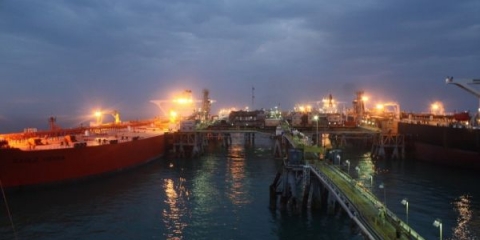
Local disputes following field protests raise tension in Iraq's key oil provinces.
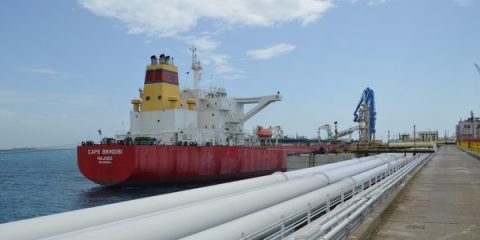
Iraq seeks backup export options as Basra loadings falter
Cabinet orders emergency package for boosting oil sales after dropping to a multi-decade low in May.

Local disputes following field protests raise tension in Iraq's key oil provinces.
Iraq's revenues fell steeply, as the mid-month resumption of Kirkuk oil sales via Turkey was not enough to offset southern export disruptions and sinking oil prices.
A major artery supplying Iraq with electricity feedstock went offline Tuesday, highlighting the country's energy dependence on Iran.
Federal Iraq crude flow through Kurdistan's export pipeline to Ceyhan has started again, in a bid to appease Washington and increase revenues.
A major initiative to restructure Iraq's oil sector appears to be on hold as the new Cabinet prepares to re-draft the legal foundation of the Iraq National Oil Company.
Dissatisfied with the work of three technical experts tasked with providing analysis, the Supreme Court postpones the six-year-old lawsuit until Dec. 9.
Iraqi crude output continued a steady rise in October, although bad weather put a damper on exports and highlighted infrastructure constraints.
Kurdistan's oil sales are steadily growing; a Rosneft-funded oil pipeline has finally reached the 1 million bpd benchmark; and oil companies are getting paid.
In a dramatic shift away from recent austerity policies, Iraq's Cabinet has proposed a 27 percent increase in spending with a $111 billion draft budget.
Strong global oil prices helped Iraq compensate for its second straight month of decreasing export rates.