Analysis: Worsening internal rivalries weaken KRG at key political juncture
Conflict between the KDP and PUK has driven dysfunction in Erbil and weakened Kurdish influence in Baghdad as a new government takes power.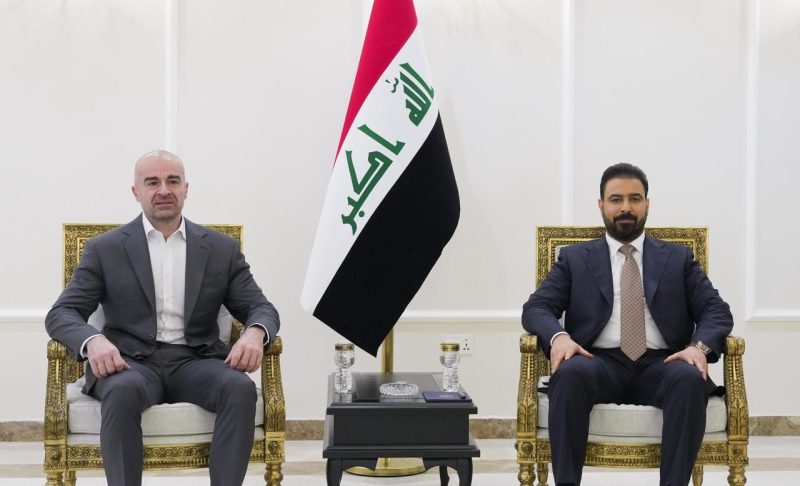
SULAIMANIYA/ERBIL/KIRKUK - The rivalry between Iraqi Kurdistan's two main ruling parties has deteriorated severely in recent months — the latest chapter in a structural crisis that is weakening Kurdish bargaining power in Baghdad and threatening the regional government's institutional coherence and fiscal stability.
The crisis amounts to a slow collapse of a landmark strategic agreement forged in 2007 between the Kurdistan Democratic Party (KDP) and the Patriotic Union of Kurdistan (PUK). At the heart of their deal was the foundational idea that the parties could compete for power within the Kurdistan Regional Government (KRG), but that they would maintain enough of a unified front to preserve stability and maximize Kurdish interests in relation to other components of the Iraqi state.

Login to your account
Subscribe for news access
Annual News subscribers receive access to the full archive of Iraq Oil Report articles.