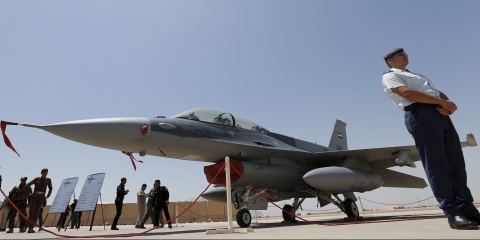
Once a proud symbol of military partnership with the U.S., Iraq's F-16 fleet can no longer fly combat missions.
Drone strikes signal escalating threat to Iraqi oil sector
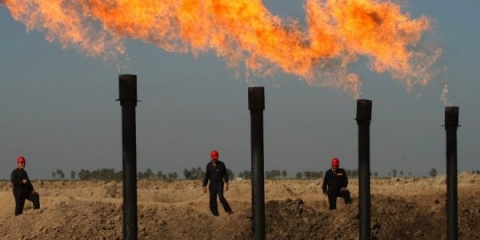
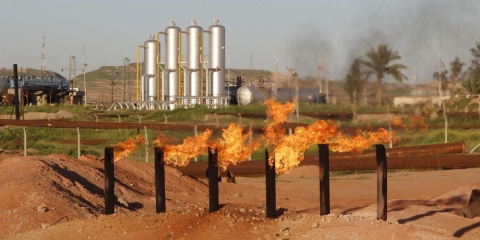
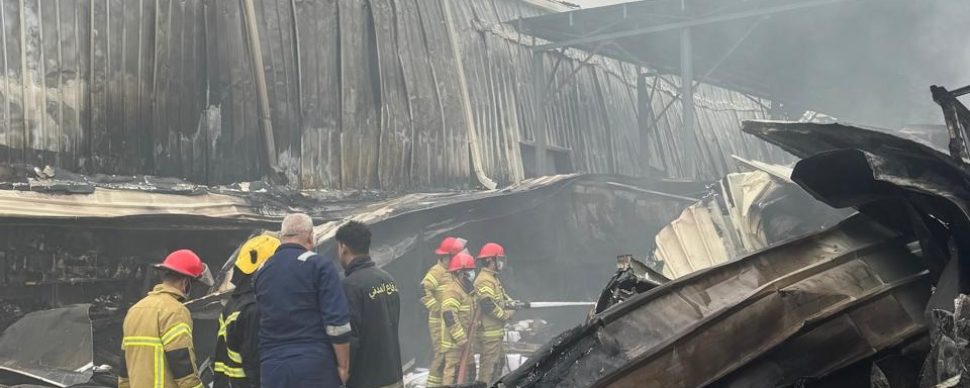
A barrage of attacks hit five oil sites in southern Iraq on a single day.
Once a proud symbol of military partnership with the U.S., Iraq's F-16 fleet can no longer fly combat missions.
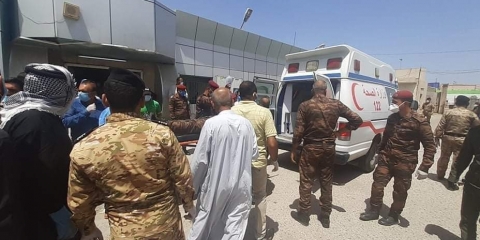
The financial crisis continues to compound the pandemic as Iraq faces a shortage of oxygen, supplies, and health care professionals.
New federal forces have deployed in a campaign to wrest control of border crossings from parties, paramilitary groups, and mafias.
The government is seeking stopgap solutions to major blackouts that have sparked protests in southern Iraq.
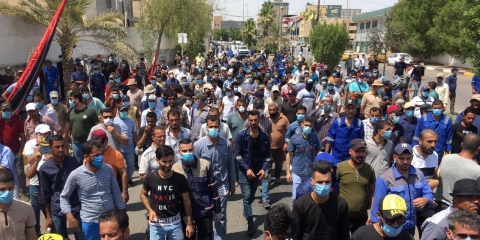
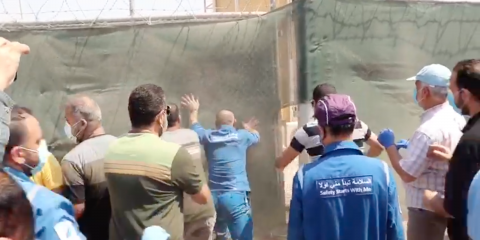
Financial constraints and OPEC cuts led to oil sector layoffs and protests that briefly shut down access to Missan province's largest field.
Local authorities are preoccupied with the pandemic and hampered by tangled power structures, prompting the prime minister to pursue a new security strategy.
Seeking to combat an exponential rise in confirmed COVID-19 cases, government measures are also disrupting oil and security operations.
The World Health Organization is still guardedly optimistic Iraq can avoid a coronavirus catastrophe, despite Iraq's poor mask compliance and perhaps premature end to its lockdown.
One of Iraq's most effective ways of securing oil infrastructure has been to enlist locals as guards, but now cash flows are drying up just as an insurgency intensifies.
Protests that prompted an emergency evacuation in May were caused by a breakdown in payments and cooperation between Shell and its government partners.