Attacks on Basra oil field and power lines mean promises of jobs and services have yet to settle concerns.
Drone strikes signal escalating threat to Iraqi oil sector
A barrage of attacks hit five oil sites in southern Iraq on a single day.
Attacks on Basra oil field and power lines mean promises of jobs and services have yet to settle concerns.
Widespread civil unrest has begun to subside, at least temporarily - leaving key oil sites disrupted but intact.
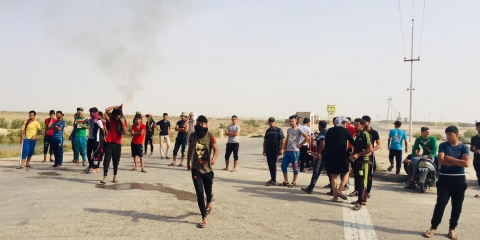
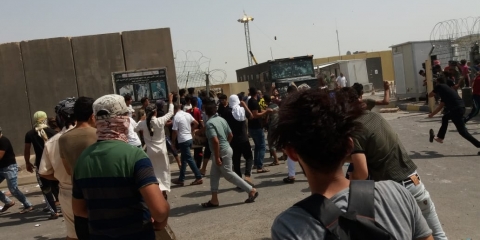
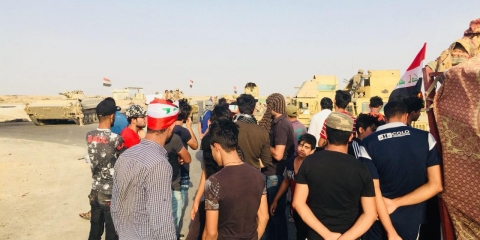
Demonstrators turned violent on fifth straight day of protests in an attempt to enter Basra oil fields, though were repelled by security forces.
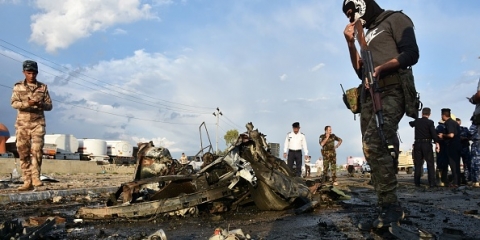
Unknown assailants alleged to be the self-proclaimed Islamic State killed workers at a pipeline warehouse in Dibis, northwest of Kirkuk.
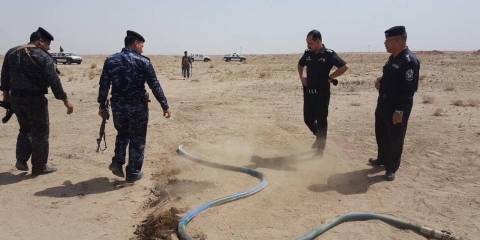
Iraqi authorities have discovered several small-scale smuggling rackets in and around Basra over the past year.
Iraqi security forces shot protesters in an escalation of chronic frustration with a lack of jobs and services, including salty water that shut down the Basra refinery.
Islamic State militants thrive in large security gaps across northern Iraq, moving freely among villages, shopping for supplies, and using threats to enforce compliance.
The government cannot control large swaths of territory, as Islamic State insurgents solidify footholds and launch attacks targeting security forces and energy infrastructure.
The 2018 draft budget allocates a tiny fraction of the funding needed to rebuild from the IS war; for the rest, Iraq is seeking international donations and investment.
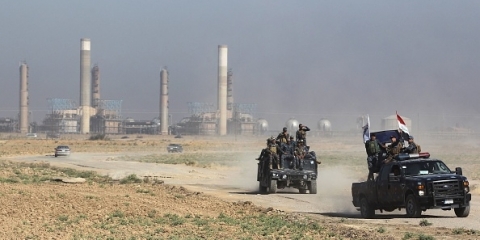
With rival armed forces massed near strategically important oil assets, federal and KRG negotiators are at an impasse.